Cold pressed oil is not just another cooking or beauty oil, it is the purest form of oil that exists in nature.
In Pakistan, most households still use refined or chemically extracted oils without realizing the damage heat processing causes to nutrients. Cold pressing changes everything. It extracts oil the way nature intended, slowly, mechanically, and without a single drop of chemical.
This guide covers everything you need to know about cold pressed oils: what they are, how they are made, which types are available, what benefits they deliver, and how to use them for hair, skin, and cooking.
If you are looking to make a single change that improves your health, hair, and skin at the same time, switching to cold pressed oil is that change.
What is Cold Pressed Oil?
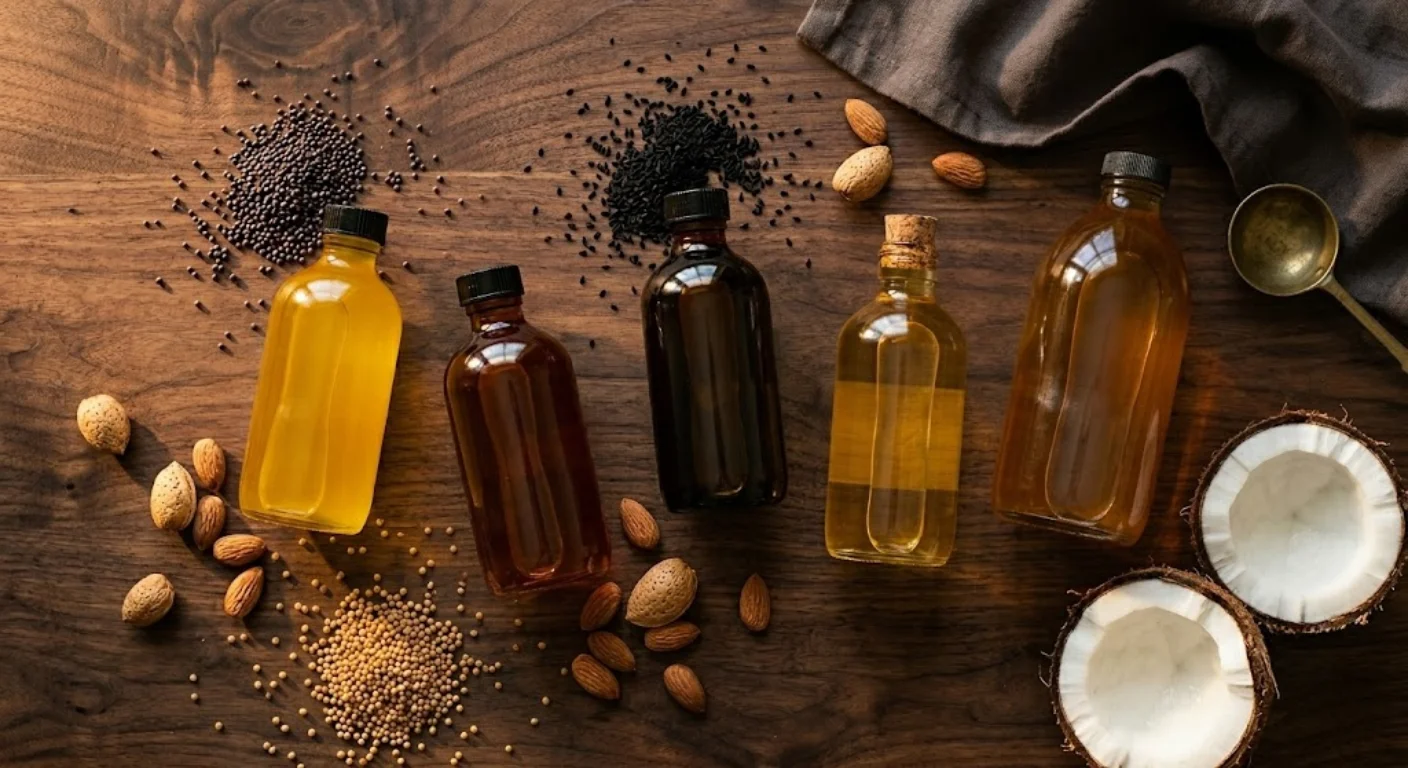
Cold pressed oil is extracted from seeds, nuts, or fruits using a mechanical press, without heat, solvents, or chemical processing. The temperature during extraction stays below 49°C (120°F), which is the critical threshold above which nutrients begin to break down.
The term “cold pressed” refers directly to this controlled temperature. No heat is applied externally or generated beyond what the mechanical friction naturally produces. This means every batch of cold pressed oil retains its complete nutritional profile exactly as it exists in the raw seed or nut.
What Makes Cold Pressed Oil Different?
| Attribute | Value |
| Extraction method | Mechanical pressing (expeller or stone press) |
| Processing temperature | Below 49°C |
| Chemicals used | None |
| Nutrient retention | High, Vitamin E, Omega-3, antioxidants preserved |
| Color | Natural, varies per oil type |
| Aroma | Strong natural scent of the source seed or nut |
| Shelf life | 6–12 months (shorter than refined due to no preservatives) |
| Common uses | Hair care, skin care, cooking, wellness |
How Cold Pressed Oil is Made
Understanding the extraction process helps you appreciate why cold pressed oil is superior.
Step 1: Seed or Nut Selection
High-quality raw seeds, nuts, or fruits are selected and cleaned. The quality of the raw material directly determines the quality of the final oil.
Step 2: Mechanical Pressing
The seeds are fed into a hydraulic press or screw expeller. Mechanical pressure slowly crushes the material, releasing the oil. The pressing speed is controlled to keep friction-generated heat minimal.
Step 3: Natural Filtration
The extracted oil passes through a natural filter to remove solid particles. No bleaching, deodorizing, or chemical refining is done at any stage.
Step 4: Bottling in Dark Glass
Cold pressed oil is sensitive to light and heat. It is bottled immediately in dark glass to protect its nutrients and extend shelf life.
Cold Pressed Oil vs Refined Oil: What is the Real Difference?
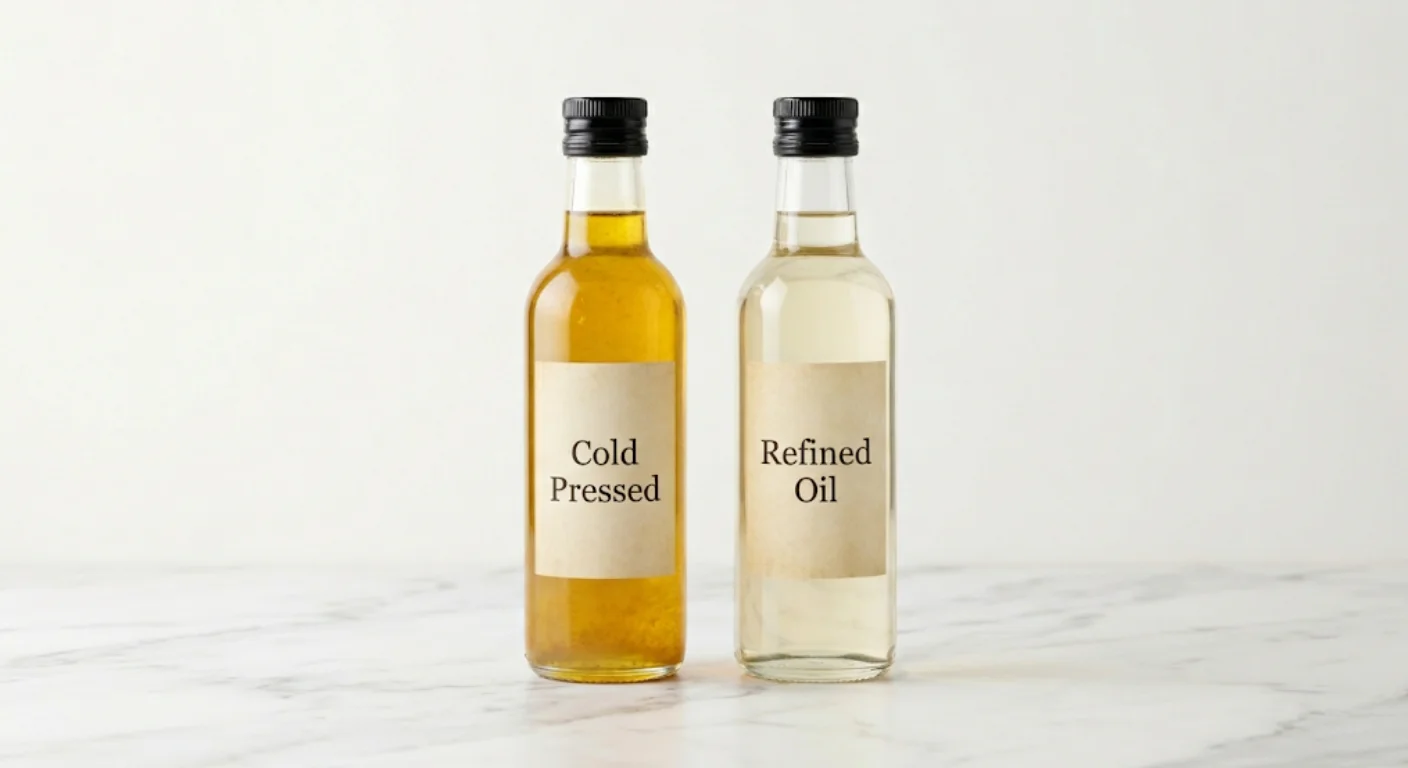
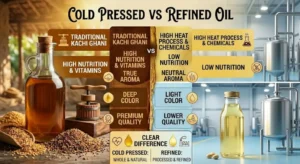
Most Pakistanis use refined cooking oils daily. Here is what happens to your oil during refining, and why it matters. For a complete side-by-side breakdown of both oils, including smoke points, shelf life, and which one to use when, read our detailed guide: Cold Pressed Oil vs Refined Oil: Full Comparison You Need to Know
| Factor | Cold-pressed Oil | Refined Oil |
| Extraction temperature | Below 49°C | 150–230°C |
| Chemicals used | None | Hexane solvent, bleaching agents |
| Vitamin E retention | 100% | 30–60% destroyed |
| Omega-3 fatty acids | Fully intact | Partially or fully destroyed |
| Antioxidants | Preserved | Eliminated during deodorizing |
| Natural aroma | Present | Removed |
| Color | Natural | Artificially lightened |
| Trans fats | None | Can form during high-heat refining |
| Shelf life | 6–12 months | 18–24 months (due to preservatives) |
The core difference is simple: refined oil is designed for uniformity, long shelf life, and mass production. Cold pressed oil is designed for nutrition and purity.
10 Proven Benefits of Cold Pressed Oil
Cold pressed oils deliver a wide range of benefits because their bioactive compounds remain intact. Here is what regular use provides:
- Rich in Vitamin E:Vitamin E is a fat-soluble antioxidant that protects cells from oxidative damage and slows down premature aging caused by free radicals. Because cold pressing never exposes the oil to high heat, it retains its full Vitamin E content, unlike refined oils, which lose 30–60% of it during processing. For a deeper look at exactly how this preservation happens, check out our guide on how cold pressing preserves vitamins and antioxidants in oils.
- High in Omega-3 and Omega-6 Fatty Acids: Essential fatty acids that the body cannot produce on its own. They reduce inflammation, support brain function, and maintain cardiovascular health.
- Natural Antioxidant Protection: Polyphenols, carotenoids, and tocopherols in cold pressed oils neutralize free radicals responsible for premature aging and cellular damage.
- Supports Heart Health: Oleic acid and linolenic acid in cold pressed oils help reduce LDL (bad) cholesterol and raise HDL (good) cholesterol levels naturally.
- Anti-Inflammatory Properties: Thymoquinone in black seed oil, allyl isothiocyanate in mustard oil, and ricinoleic acid in castor oil all reduce chronic inflammation.
- Nourishes Hair from Root to Tip: Fatty acids in cold pressed oils penetrate the hair shaft, reducing protein loss, strengthening roots, and stimulating follicle activity.
- Deeply Moisturizes Skin; Cold pressed oils mimic the skin’s natural lipid barrier, providing deep hydration without clogging pores or disrupting the skin microbiome.
- Hormone-Free and Chemical-Free: No synthetic chemicals, no hexane residue, no artificial fragrances, making cold pressed oils safe for babies, pregnant women, and sensitive skin.
- Better Bioavailability: Nutrients in unprocessed cold pressed oils are more bioavailable, meaning the body absorbs and uses them more efficiently than nutrients in refined oils.
- Supports Gut and Digestive Health: Consumed internally, cold pressed oils like flaxseed, black seed, and olive oil support gut lining integrity and healthy digestion.
Complete Guide to Cold Pressed Oils: Every Oil Explained
Desi Grains offers over 22 varieties of cold pressed oils. Each one has a unique fatty acid profile, specific benefits, and ideal uses. Here is a complete overview:
🌿 Mustard Oil (Sarson Ka Tel)
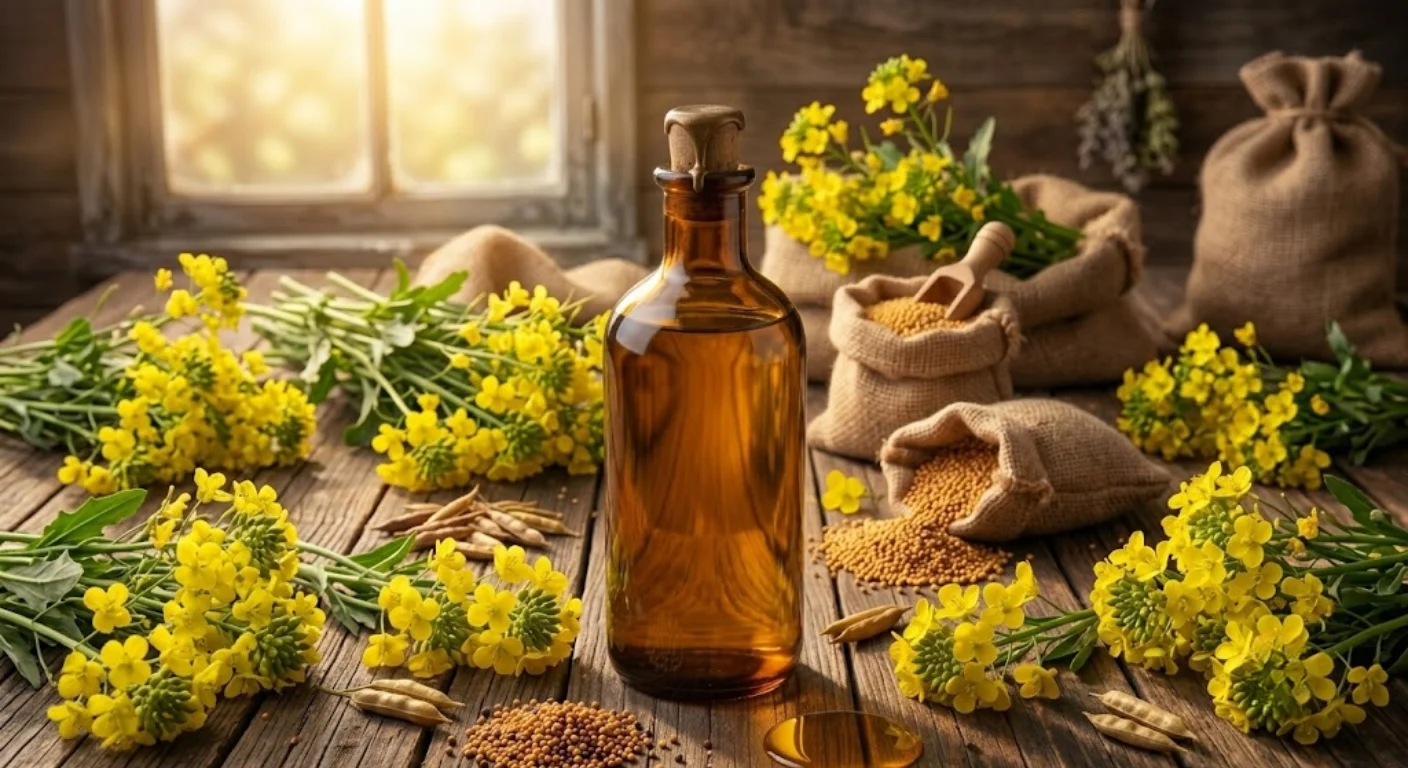
Cold pressed mustard oil is Pakistan’s most trusted traditional oil. Rich in Omega-3 fatty acids, glucosinolates, and Vitamin E, it strengthens hair roots, supports heart health, and is ideal for high-heat Pakistani cooking. Its characteristic pungency comes from allyl isothiocyanate, a compound with strong antimicrobial properties.
Best for: Hair fall, cooking, joint massage, scalp health
🌿 Black Seed Oil (Kalonji Ka Tel)
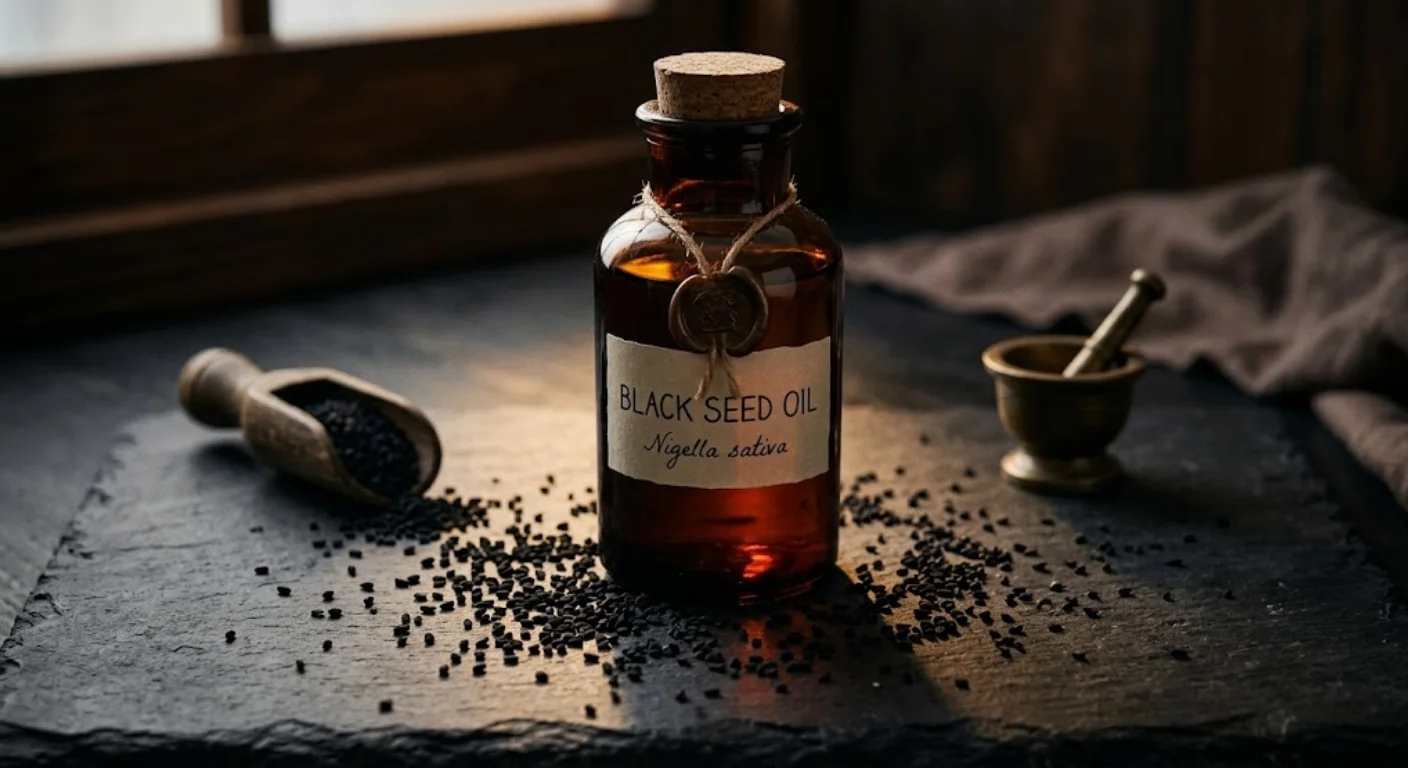
Cold pressed black seed oil referred to in Islamic tradition as a cure for everything except death, black seed oil contains thymoquinone, one of the most researched natural bioactive compounds. It boosts immunity, reduces hair fall by blocking DHT, controls blood sugar, and fights respiratory issues.
Best for: Immunity, hair regrowth, blood sugar, inflammation
🌿 Castor Oil (Arandi Ka Tel)
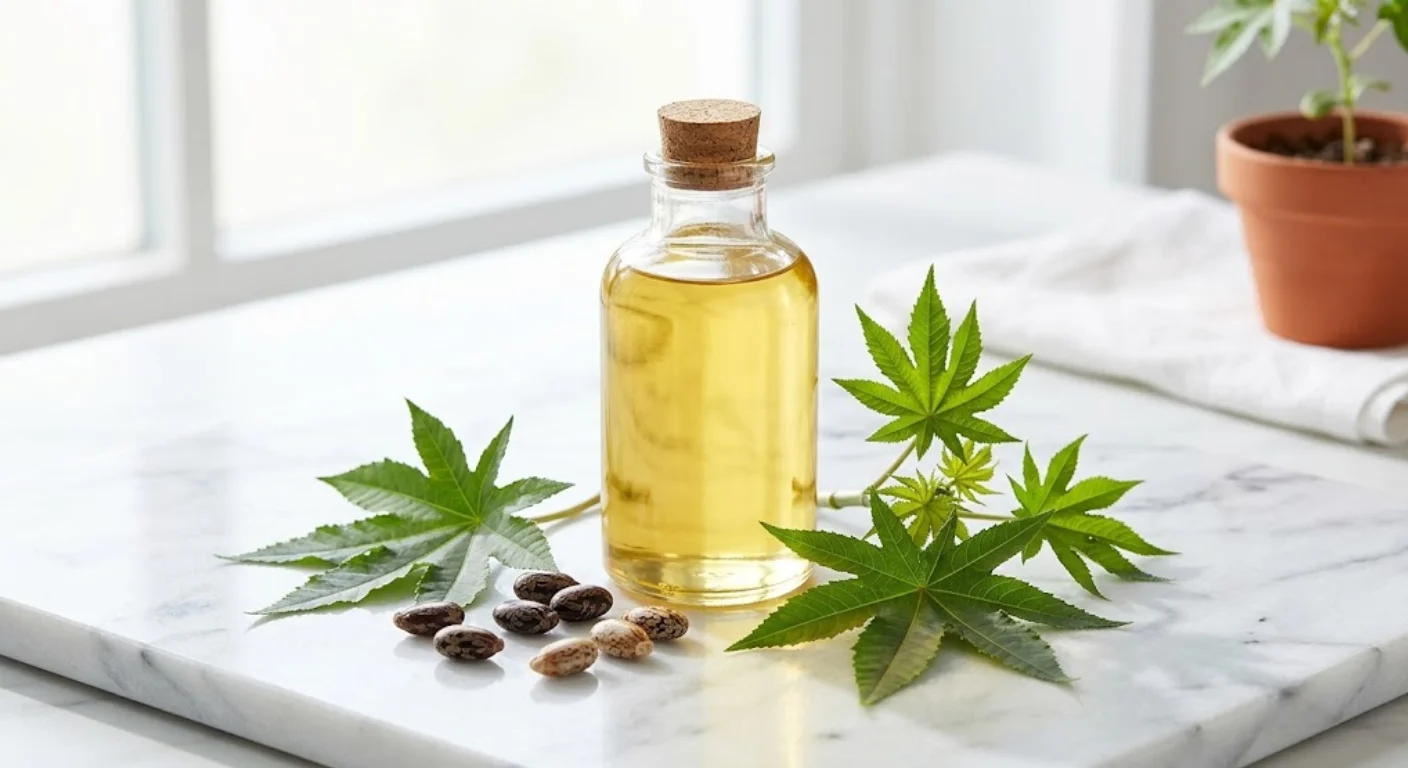
Cold pressed castor oil is unique in the oil world, it contains ricinoleic acid (85–95%), a rare hydroxyl fatty acid found in almost no other natural oil. This compound directly stimulates blood circulation to hair follicles, making castor oil one of the most effective oils for hair growth, eyebrow thickening, and skin repair.
Best for: Hair growth, eyebrow/eyelash growth, dry skin, scalp health
🌿 Argan Oil (Liquid Gold)
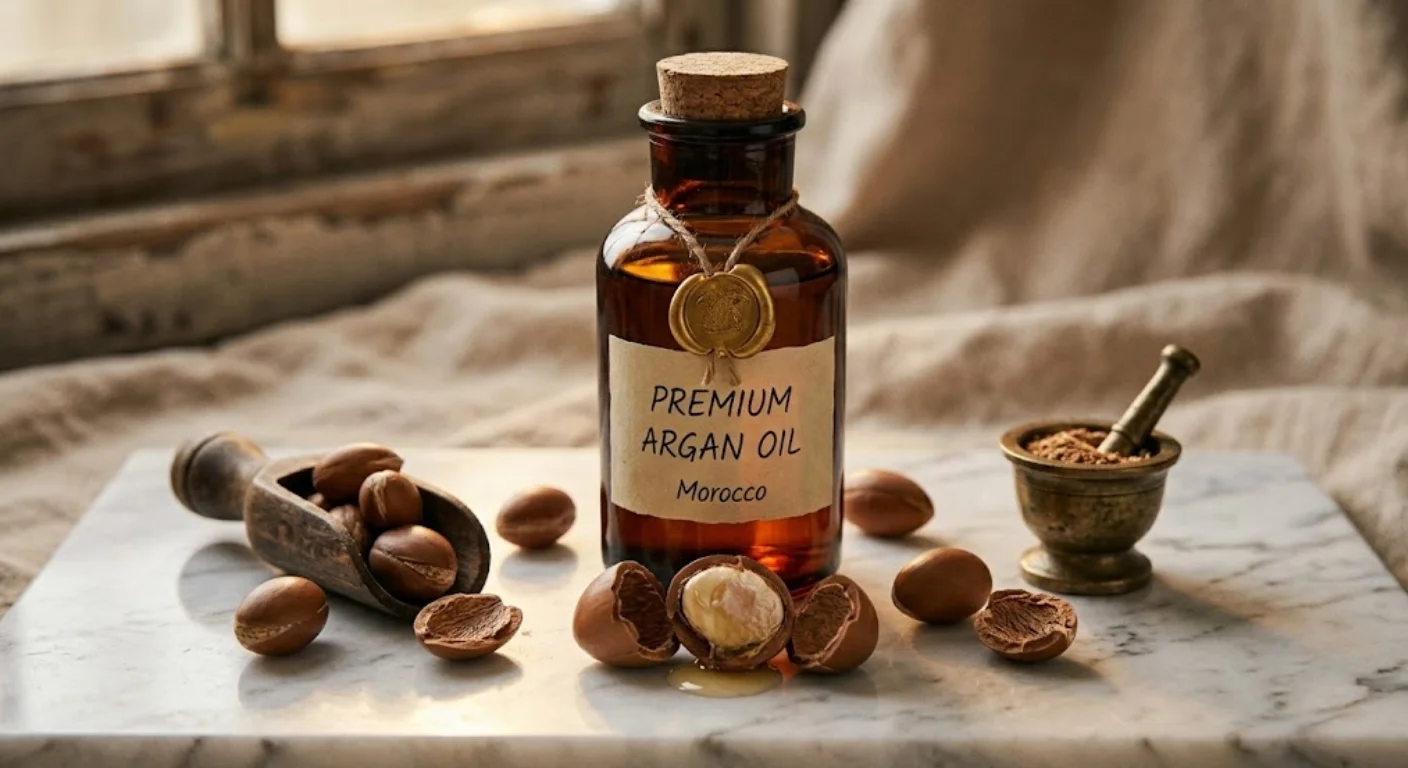
Sourced from the kernels of the Moroccan argan tree, cold pressed argan oil is exceptionally rich in squalene, Vitamin E, and linoleic acid. It seals hair cuticles, eliminates frizz, reduces split ends, and is one of the most powerful anti-aging oils for skin.
Best for: Frizzy hair, anti-aging skin care, dry and damaged hair
🌿 Coconut Oil (Nariyal Ka Tel)
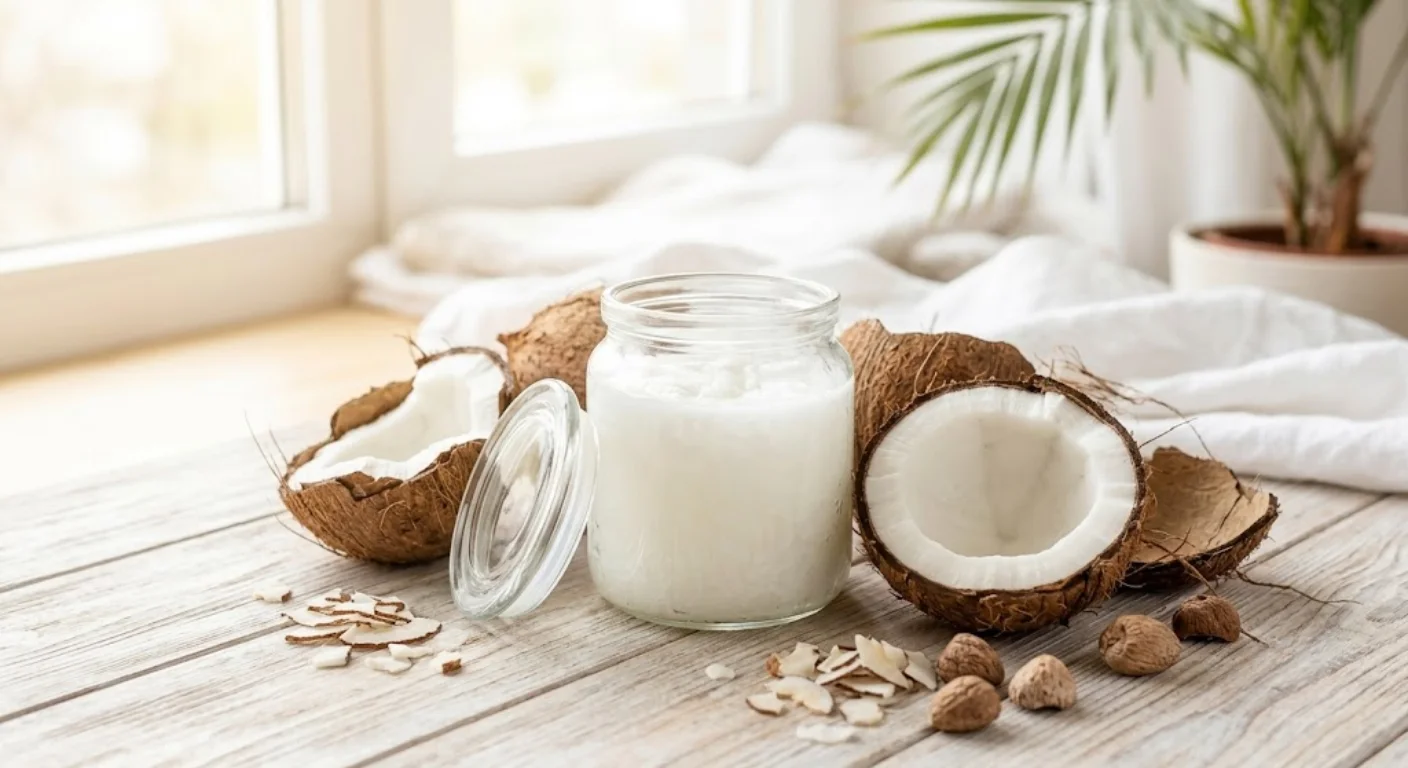
Cold pressed coconut oil is rich in medium-chain fatty acids (MCFAs), particularly lauric acid, which penetrates the hair shaft more deeply than most other oils. It prevents protein loss from hair, making it ideal for damaged, dry, or chemically treated hair.
Best for: Hair protein protection, dry skin, scalp massage, cooking at medium heat
🌿 Olive Oil (Zaitoon Ka Tel)
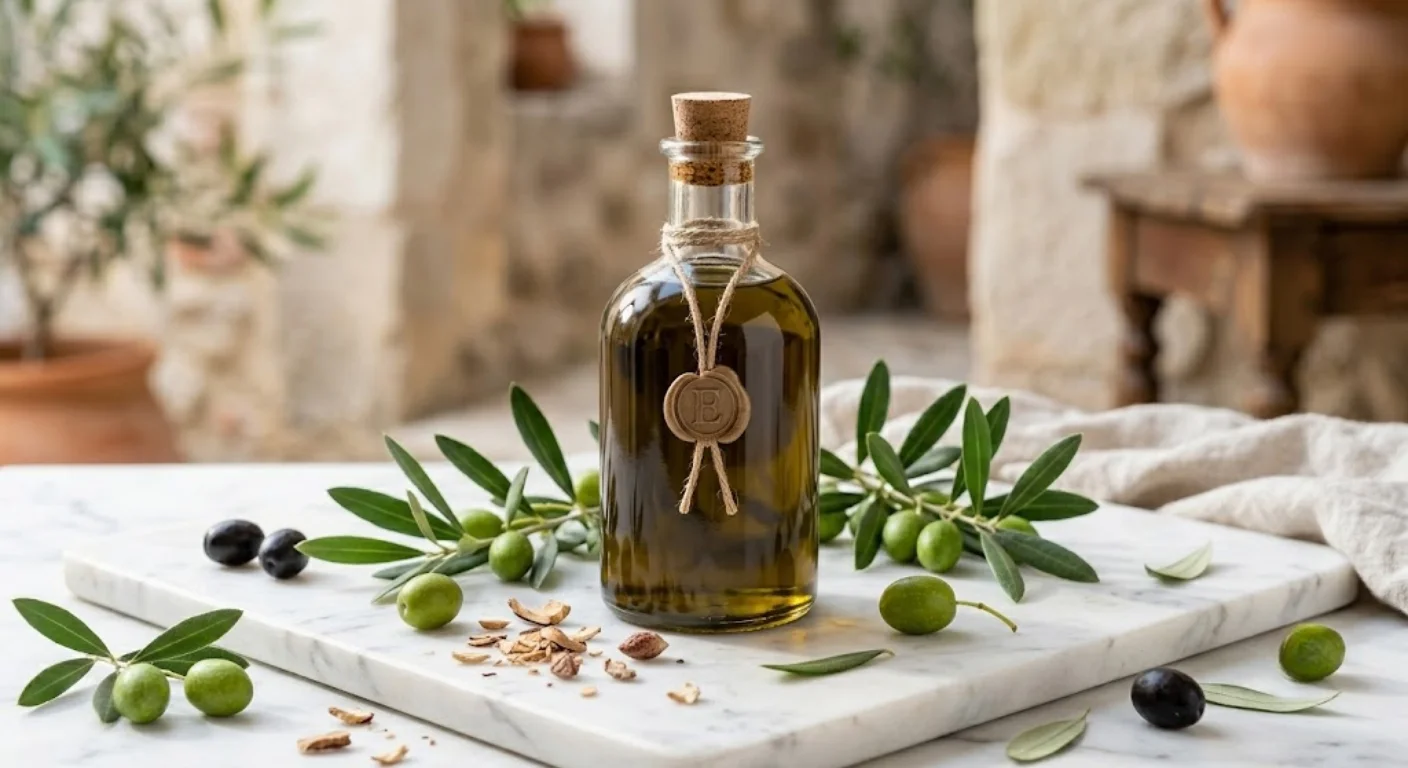
Extra virgin cold pressed olive oil is the most research-backed oil for cardiovascular health. Its oleocanthal compound has anti-inflammatory properties comparable to ibuprofen. In Pakistan, olive oil is gaining popularity both as a cooking oil and as a hair and skin treatment.
Best for: Heart health, medium-heat cooking, skin moisturizing, hair masks
🌿 Almond Oil (Badam Ka Tel)
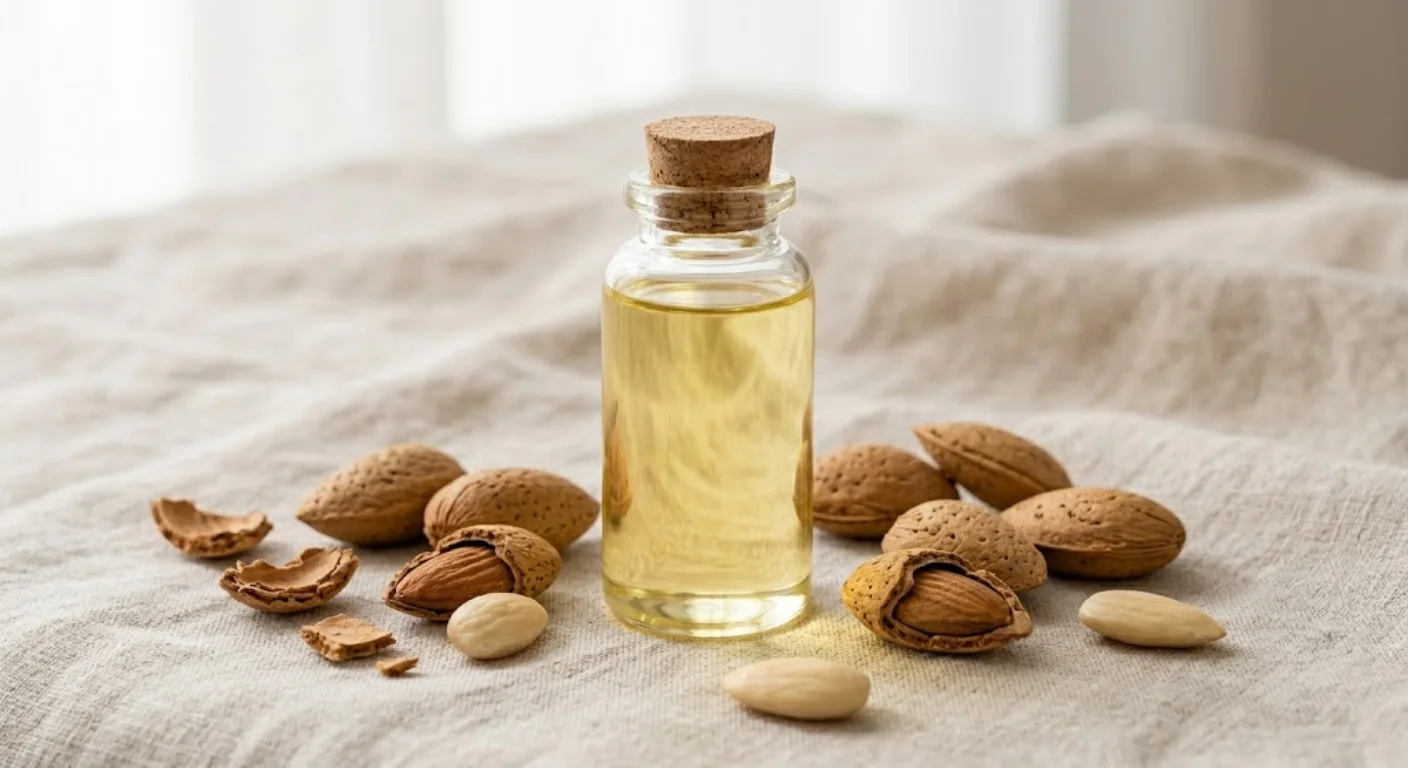
Cold pressed sweet almond oil is one of the most gentle oils available. Rich in Vitamin K, Vitamin E, and zinc, it lightens dark circles, softens skin, and is considered one of the safest oils for baby massage. Its lightweight texture makes it ideal for facial use and under-eye application.
Best for: Dark circles, baby massage, facial moisturizing, dry skin
🌿 Rosemary Oil
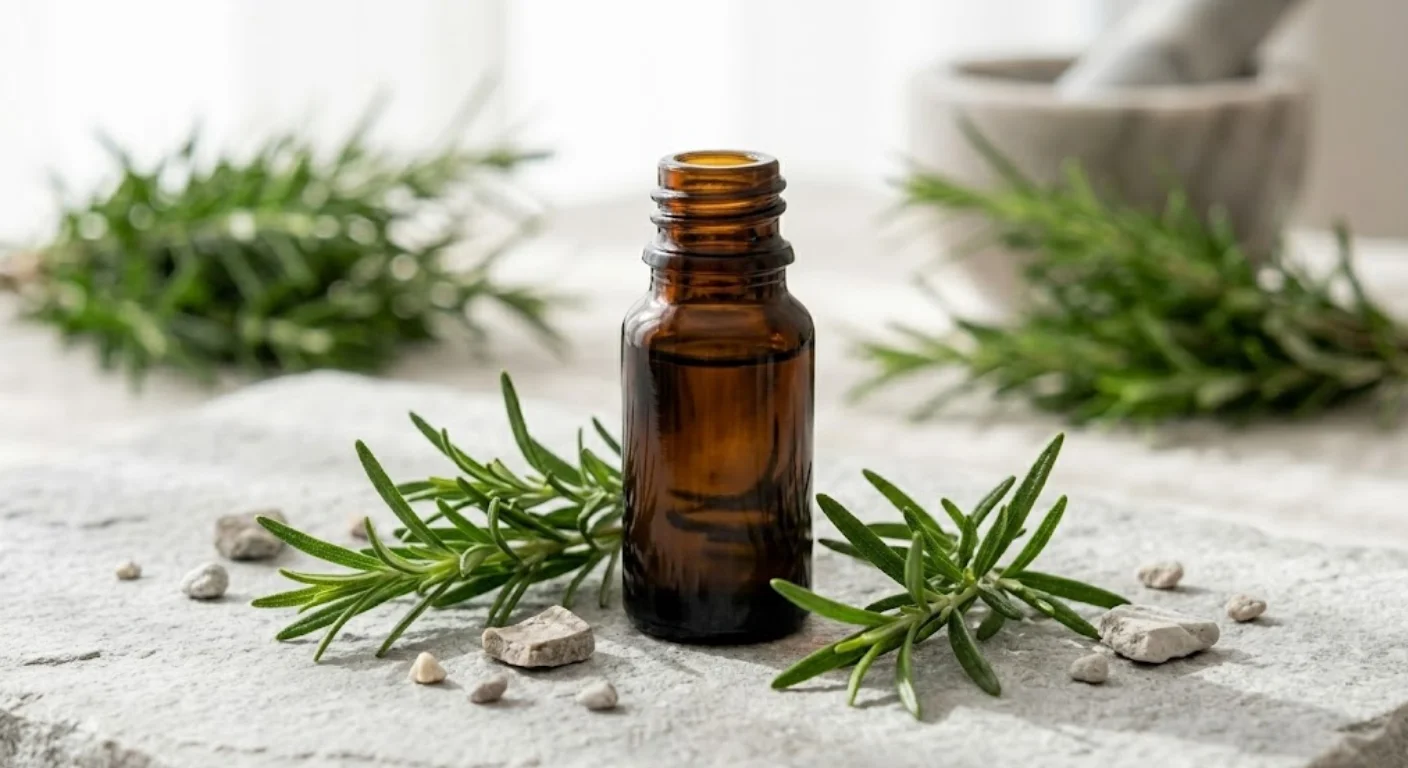
A 2023 clinical study published in Skinmed Journal found rosemary oil as effective as 2% minoxidil for hair growth, with significantly fewer side effects. Rosemary oil improves circulation to the scalp, inhibits 5-alpha reductase (the enzyme that converts testosterone to DHT), and stimulates dormant follicles.
Best for: Hair loss, scalp stimulation, androgenic alopecia
🌿 Onion Seed Oil (Pyaz Ka Tel)
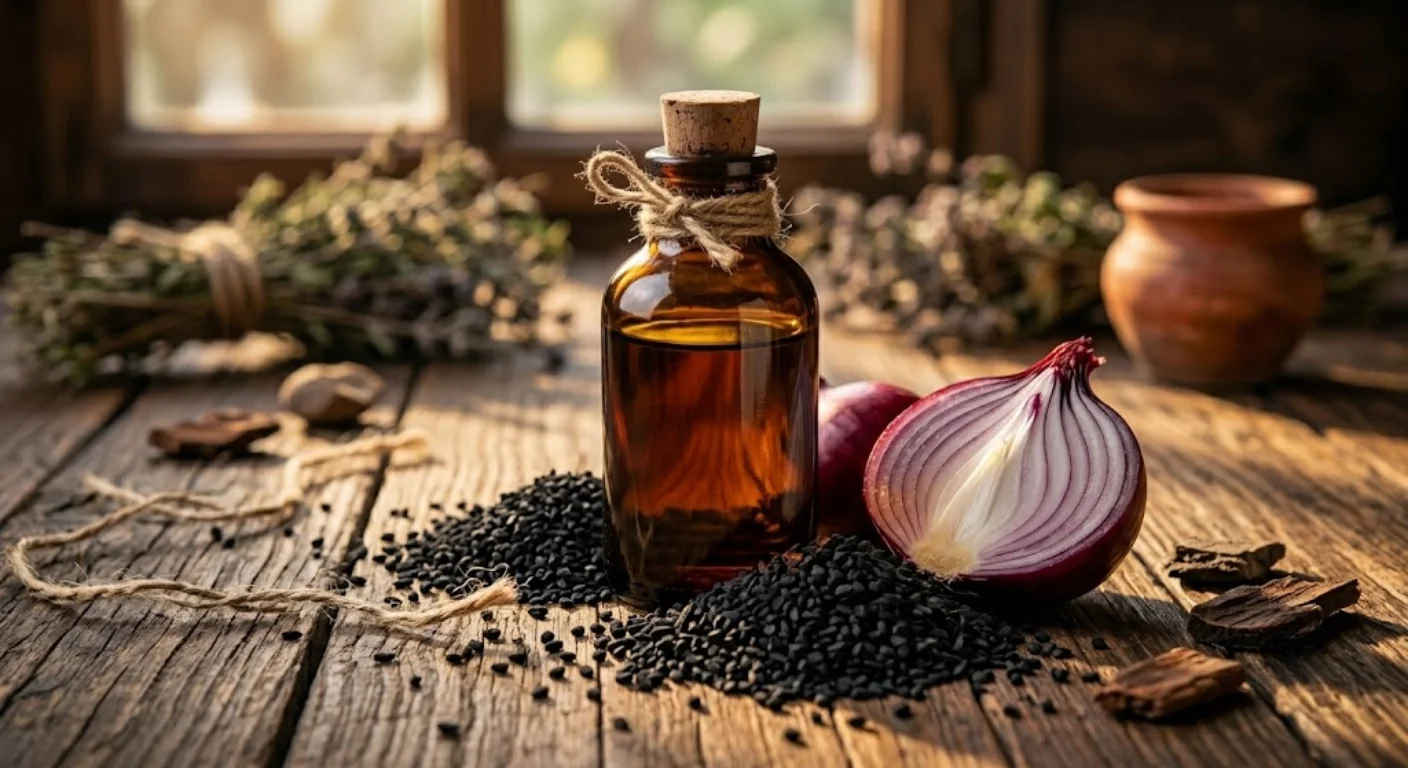
Cold pressed onion seed oil contains quercetin and sulfur compounds that work at the follicle level to block the enzymes responsible for hair shedding. It also contains antifungal compounds that eliminate the Malassezia fungus causing dandruff. Not to be confused with black seed oil, onion seed oil is derived from onion bulb seeds.
Best for: Hair fall, dandruff, scalp infections, thinning hair
🌿 Jojoba Oil
Jojoba is technically a liquid wax, not an oil, and that is precisely what makes cold pressed jojoba oil unique. Its molecular structure closely resembles human sebum, which means it regulates oil production rather than adding more. This makes it the only oil truly suitable for oily, acne-prone skin without causing breakouts.
Best for: Oily skin, acne-prone skin, scalp moisture balance, non-comedogenic moisturizing
🌿 Flaxseed Oil (Alsi Ka Tel)
Cold pressed flaxseed oil is the richest plant-based source of ALA (alpha-linolenic acid), an Omega-3 fatty acid that most Pakistanis are severely deficient in. Regular consumption reduces inflammation, supports brain health, and improves cardiovascular markers. Applied topically, it strengthens hair and reduces brittleness.
Best for: Omega-3 supplementation, hair strength, heart health, inflammation
🌿 Sesame Oil (Til Ka Tel)
One of Pakistan’s oldest traditional oils, sesame oil contains sesamol and sesamin, two lignans that give it exceptional oxidative stability. This natural resistance to rancidity makes it one of the safest oils for high-heat cooking. It has also been used for centuries in South Asian Ayurvedic traditions for joint massage and scalp oiling.
Best for: High-heat cooking, joint massage, scalp oiling, traditional use
🌿 Amla Oil (Indian Gooseberry Oil)
Amla oil is derived from the Indian gooseberry, one of the richest natural sources of Vitamin C. It strengthens hair follicles, prevents premature greying, conditions the scalp, and is a foundational ingredient in traditional Pakistani and South Asian hair care.
Best for: Premature greying, hair strengthening, scalp nourishment
Cold Pressed Oils for Hair: Which One Should You Use?

Hair problems vary, and different cold pressed oils target different root causes. Here is how to match oil to problem:
| Hair Problem | Best Cold Pressed Oil | Key Active Compound |
| Hair fall / shedding | Rosemary, Onion Seed, Black Seed | Rosmarinic acid, Quercetin, Thymoquinone |
| Slow hair growth | Castor, Rosemary | Ricinoleic acid, Ursolic acid |
| Dandruff / scalp fungus | Onion Seed, Tea Tree, Jojoba | Sulfur compounds, Terpinen-4-ol |
| Dry / brittle hair | Argan, Coconut, Almond | Vitamin E, Lauric acid, Oleic acid |
| Frizz / split ends | Argan, Olive | Squalene, Linoleic acid |
| Thinning / weak hair | Flaxseed, Mustard | ALA Omega-3, Glucosinolates |
| Premature greying | Amla, Black Seed | Vitamin C, Thymoquinone |
Cold Pressed Oils for Skin: Match Your Skin Type

| Skin Type / Concern | Best Cold Pressed Oil | Why It Works |
| Dry skin | Coconut, Almond, Olive | Occlusive barrier, deep hydration |
| Oily / acne-prone | Jojoba, Rosehip | Sebum regulation, non-comedogenic |
| Anti-aging / wrinkles | Argan, Rosehip | Squalene, Vitamin A (retinol precursor) |
| Dark circles | Almond | Vitamin K, improves microcirculation |
| Dull / uneven skin | Rosehip, Argan | Vitamin C, fatty acids |
| Sensitive / baby skin | Almond, Jojoba | Hypoallergenic, gentle |
Cold Pressed Oils for Cooking: Safe Choices for Pakistani Kitchen

Not all cold pressed oils are safe for high-heat cooking. The smoke point determines safety:
| Cold Pressed Oil | Smoke Point | Best Cooking Use |
| Mustard Oil | 250°C | Deep frying, curries, pickles |
| Sesame Oil (light) | 210°C | Stir-fry, sautéing |
| Coconut Oil | 177°C | Baking, medium-heat cooking |
| Olive Oil (extra virgin) | 190°C | Sautéing, dressings, low-heat cooking |
| Flaxseed Oil | 107°C | No cooking, salads and smoothies only |
| Black Seed Oil | — | No cooking, use raw only |
How to Use Cold Pressed Oil: Application Guide
For Hair
Apply 2–4 tablespoons of cold pressed oil directly to the scalp. Warm the oil slightly (not hot). Massage using circular motions for 5–10 minutes. Leave for a minimum of 2 hours, or overnight for deep conditioning. Wash with a mild sulphate-free shampoo.
For Face and Skin
Apply 2–3 drops of cold pressed oil to clean, slightly damp skin. Gently press into the skin using fingertips, do not rub aggressively. For dry skin, apply at night. For oily skin, use a lightweight oil like jojoba or rosehip in minimal quantity.
For Cooking
Use cold pressed mustard oil, olive oil, or sesame oil for cooking. Always check the smoke point. Cold pressed oils should not be reused after heating. Store unused oil away from the stove and heat sources.
How to Identify Pure Cold-Pressed Oil
Pakistan’s market has significant problems with adulteration. Here are quick tests to verify purity at home:
Freeze Test: Place the oil in the refrigerator. Pure cold pressed coconut oil solidifies at 24°C. Mustard oil thickens noticeably. Heavily adulterated oils remain uniformly liquid.
Aroma Test: Genuine cold pressed oil smells distinctly of its source. Mustard oil has a sharp pungency. Sesame oil smells nutty. If the oil is odourless, it is likely refined or adulterated.
Cloudiness Test: Cold pressed oils are naturally slightly cloudy or hazy. Over-refined and adulterated oils are crystal clear.
Skin Absorption Test: Apply pure cold pressed oil to the back of your hand. It should absorb within 2–3 minutes without leaving a strong greasy residue.
Understanding Fatty Acids in Cold Pressed Oils
Cold pressed oils are valued for their fatty acid profiles. Here is what these terms mean:
Omega-3 (ALA, EPA, DHA): Anti-inflammatory, heart-protective, brain-supportive. Found in flaxseed, black seed, and mustard oils.
Omega-6 (Linoleic Acid): Supports cell membrane integrity and skin barrier function. Found in most seed oils including sesame, sunflower, and argan.
Omega-9 (Oleic Acid): Heart-healthy monounsaturated fat. Found in olive, almond, and argan oils.
Saturated Fatty Acids (Lauric, Stearic): Provide stability and deep penetration. Found in coconut oil.
Ricinoleic Acid: Unique to castor oil. Directly stimulates circulation and lymphatic flow.
How to Store Cold-Pressed Oils Properly
Cold-pressed oils are living, nutrient-rich products; they require proper storage to maintain potency:
- Store in dark glass bottles, UV light degrades fatty acids and antioxidants
- Keep away from heat and direct sunlight, store in a cool, dry cupboard
- Keep tightly sealed, oxygen exposure accelerates rancidity
- Do not store near the stove, heat degrades the oil even before opening
- Most cold pressed oils last 6–12 months, always check the production date
- Once opened, use within 3–4 months for best nutritional value
Where to Buy Pure Cold Pressed Oil in Pakistan
Finding genuinely pure cold pressed oil in Pakistan is difficult. Most products labelled “cold pressed” in local markets are actually solvent-extracted oils with misleading packaging.
Desi Grains is Lahore’s trusted cold pressed oil brand since 2019. Every batch is extracted fresh using mechanical pressing with no heat and no chemicals. Products are available with home delivery across Pakistan.
- Location: Ali Park, Lahore
- Delivery: All major cities across Pakistan
- Range: 22+ varieties of pure cold pressed oils
Cold Pressed Oil vs Desi Ghee: A Pakistani Perspective
Many Pakistani households debate between desi ghee and cold pressed oil. Both have genuine nutritional value, but they serve different purposes.
Desi ghee is excellent for cooking at high heat and provides fat-soluble vitamins. Cold pressed oils, however, deliver Omega-3 fatty acids, antioxidants, and bioactive plant compounds that ghee cannot match. For heart health, hair care, and skin nutrition, cold pressed oil provides benefits that desi ghee simply does not.
The ideal approach for Pakistani families: use cold pressed mustard or olive oil for everyday cooking, and desi ghee occasionally for traditional recipes.
Conclusion
Cold pressed oil is the most nutrient-complete form of oil available, and switching to it is one of the most impactful decisions you can make for your health, hair, and skin.
From the immunity-boosting properties of black seed oil to the hair-growing power of rosemary and castor oil, from the heart-protective benefits of olive and flaxseed oil to the traditional strength of mustard and sesame oil, every cold pressed variety offers something specific, something real, and something that refined oils simply cannot.
At Desi Grains, every bottle is extracted fresh from carefully sourced raw material, pressed without heat or chemicals, and delivered directly to your door across Pakistan.
Shop Pure Cold Pressed Oils at Desi Grains