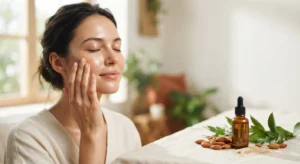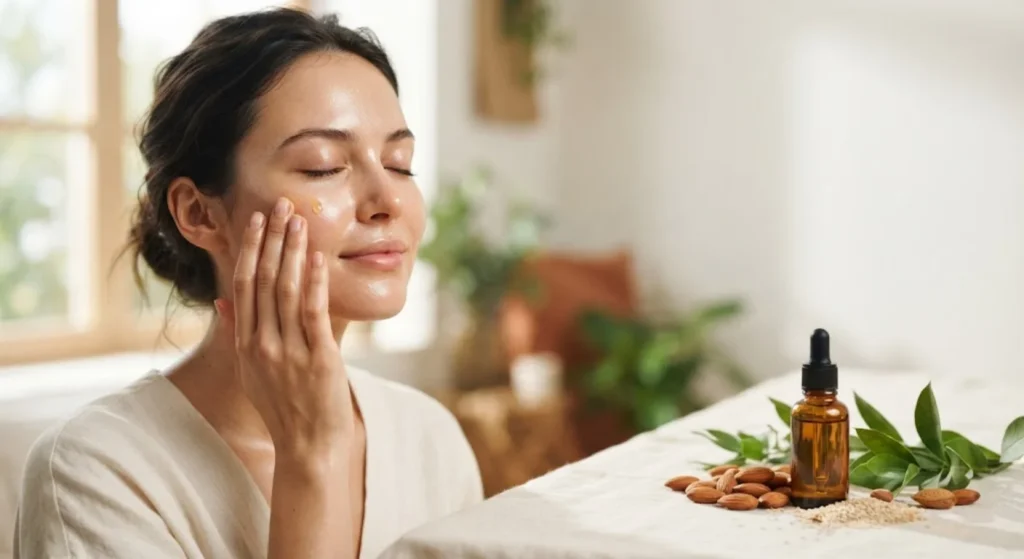
Cold pressed oils give skin a natural glow when the oil suits your skin type and goes on damp skin in small amounts. They don’t exfoliate or treat skin conditions. They soften skin, slow moisture loss and support the skin barrier, and well-hydrated skin looks smoother and brighter. Here is how to choose the right oil and use it properly.
What Are Cold Pressed Oils and Why Do They Suit Skin?
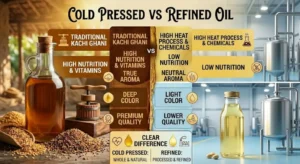
Cold pressed oils are plant oils extracted by mechanical pressing without added heat or chemical solvents. This helps more of the natural vitamin E, antioxidants and fatty acids stay intact. Here is how cold pressing preserves nutrients, and what cold pressed oil is if you want the basics.
Refined oils go through high heat, bleaching and deodorising. That process strips out much of what makes an oil useful for skin, which is why cold pressed and refined oils behave so differently.
On your face, plant oils work as emollients (they soften and smooth) and occlusives (they slow water loss). That is where the glow comes from.
Can Cold Pressed Oils Really Give You Glowing Skin?
Yes, in the sense that the right oil keeps skin hydrated and protected, and hydrated skin reflects light better. Oils do not lighten pigmentation, remove dead cells or replace sunscreen.
Research also shows that not every oil behaves the same way. In a study on adult forearm skin, sunflower seed oil preserved the skin barrier and improved hydration, while olive oil damaged the barrier in the same volunteers. A dermatology review found that coconut oil outperformed mineral oil at reducing atopic dermatitis severity in older children, while mustard oil massage in newborns was linked to higher water loss and worse redness and dryness.
Much of this data comes from infants, children or small studies. Treat it as a guide for choosing oils, not a guarantee.
Which Cold Pressed Oil Is Best for Your Skin Type?
The best oil is the one that matches your skin’s needs: richer oils for dry skin, lighter linoleic acid-rich oils for oily or acne-prone skin. Check each oil’s comedogenic rating (how likely it is to clog pores) if breakouts are a concern.
What Is the Best Oil for Dry Skin?
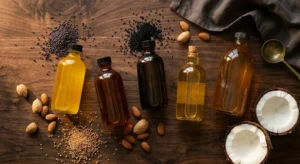
Richer oils like cold pressed almond oil, sesame oil and argan oil suit dry, tight skin. Almond oil is a familiar choice in South Asian households, and argan feels light for how nourishing it is. Use two to three drops on damp skin at night.
What Is the Best Oil for Oily or Acne-Prone Skin?
Jojoba oil and sunflower oil are the safer starting points. Jojoba is technically a liquid wax, and its structure is close to the skin’s own sebum, so it usually feels balanced rather than greasy. Heavier oils like coconut oil are more likely to clog pores on the face.
What Is the Best Oil for Sensitive Skin?
Choose a single, fragrance-free oil such as jojoba or sunflower, and introduce only one new product at a time. Patch test first, especially if you have a history of eczema or allergies.
What Is the Best Oil for Dull or Mature Skin?
Oils rich in vitamin E and antioxidants, such as argan, are a good fit. If you prefer a ready-made option, a vitamin E serum can be layered into the same routine.
How Do You Use Cold Pressed Oil on Your Face, Step by Step?
Apply a few drops to clean, slightly damp skin and press it in. Damp skin holds more water, and the oil seals it there.
- Cleanse with a gentle face wash and pat skin so it stays slightly damp.
- Apply water-based products first, such as a toner or hydrating serum, if you use them.
- Warm 2–3 drops of oil between your palms.
- Press it into your face and neck rather than rubbing.
- Massage upward for two to three minutes. This feels good and gives skin a temporary flush.
- Finish with the oil at night, or use a single drop in the morning before sunscreen.
More oil does not mean more glow. Too much leaves skin greasy and can trigger breakouts.
How Do You Patch Test a New Oil?
Dab a small amount on your inner forearm or along the jawline, then leave it for a full day. Redness, itching or bumps mean that oil is not right for your face.
Should You Use Face Oil in the Morning or at Night?
Night is better for richer oils like almond or sesame, since they can feel heavy under makeup. In the morning, use a light oil in a very small amount, then apply sunscreen. Oils do not protect against UV damage.
What Are the Best Ways to Use Cold Pressed Oils Beyond Moisturising?
Cold pressed oils also work for cleansing, facial massage, masks and body care.
- Oil cleansing: Massage a little oil onto dry skin to break down makeup, then remove it with a damp cloth and finish with a gentle cleanser.
- Simple mask: Stir a teaspoon of honey into a tablespoon of oil, leave it on for about 15 minutes and rinse with lukewarm water. Skip this if you are allergic to honey.
- Body oil: Apply sesame or coconut oil to damp skin after a shower to lock in moisture.
- Lips and cuticles: A drop of almond oil softens rough patches.
- Hair ends: The same oils can tame dry ends. See our guide to the best cold pressed oils for hair growth.
Which Oils Should You Be Careful With on Your Face?
Be careful with mustard oil, olive oil, coconut oil and any undiluted essential oil.
- Mustard oil: Studies in newborns linked it to a weaker skin barrier, so avoid it on the face and on broken or sensitive skin. If you use cold pressed mustard oil on the body, patch test first.
- Olive oil: Its high oleic acid content may disrupt the barrier in some people. Cold pressed olive oil is better suited to dry body skin than to a daily face routine, especially with eczema or acne.
- Coconut oil: It is rich and can clog pores on oily or acne-prone faces. Coconut oil works better on the body.
- Essential oils used neat: Undiluted rosemary or tea tree oil can cause redness, burning and a compromised skin barrier. Always dilute them in a carrier oil first.
“Natural” does not automatically mean “safe for your face.”
Is Kitchen Cold Pressed Oil Safe to Use on Skin?
A pure, fresh cold pressed oil can be used on skin if it suits you, but always check the intended use on the product page. Desi Grains lists cooking oils separately from its regular cold pressed oils, so read the description before you buy.
Freshness matters. Rancid oil smells sharp or stale and can irritate skin. Store oils in a cool, dark place, keep the cap tight and use them within their shelf life. You can browse the full range in the Desi Grains shop, and cold pressed oils have benefits beyond skin too, as covered in these 10 health benefits of cold pressed oils.
How Long Does It Take to See a Glow?
Skin feels softer after the first use, and a steadier glow builds over a few weeks of consistent use. Oils improve hydration and comfort. They won’t change texture or pigmentation on their own. If you want that, you’ll need targeted treatments, ideally guided by a dermatologist.
When Should You See a Dermatologist?
See a dermatologist if you notice persistent redness, a spreading rash, worsening acne or a reaction after a patch test. The same applies if you have eczema, rosacea or another skin condition. Plant oils can support a routine, but they do not treat medical conditions.