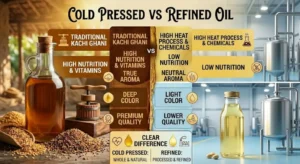
Cold pressed oil, sometimes called crude oil because it’s unrefined, is healthier; it is extracted without heat or chemicals, keeping its natural Vitamin E, antioxidants, and omega fatty acids fully intact. Refined oil is processed at temperatures above 200°C using solvents like hexane, which strips away most of those nutrients in exchange for a longer shelf life and lower price. But most people never know this because they pick their cooking oil by brand name or that “heart-healthy” label on the bottle, which is often just marketing.
The real difference, crude oil vs refined oil, goes much deeper than packaging. This guide breaks down everything: extraction process, nutrition, smoke points, price, and practical use, so you can make the right choice for your kitchen.
How Is Cold Pressed Oil Actually Made?
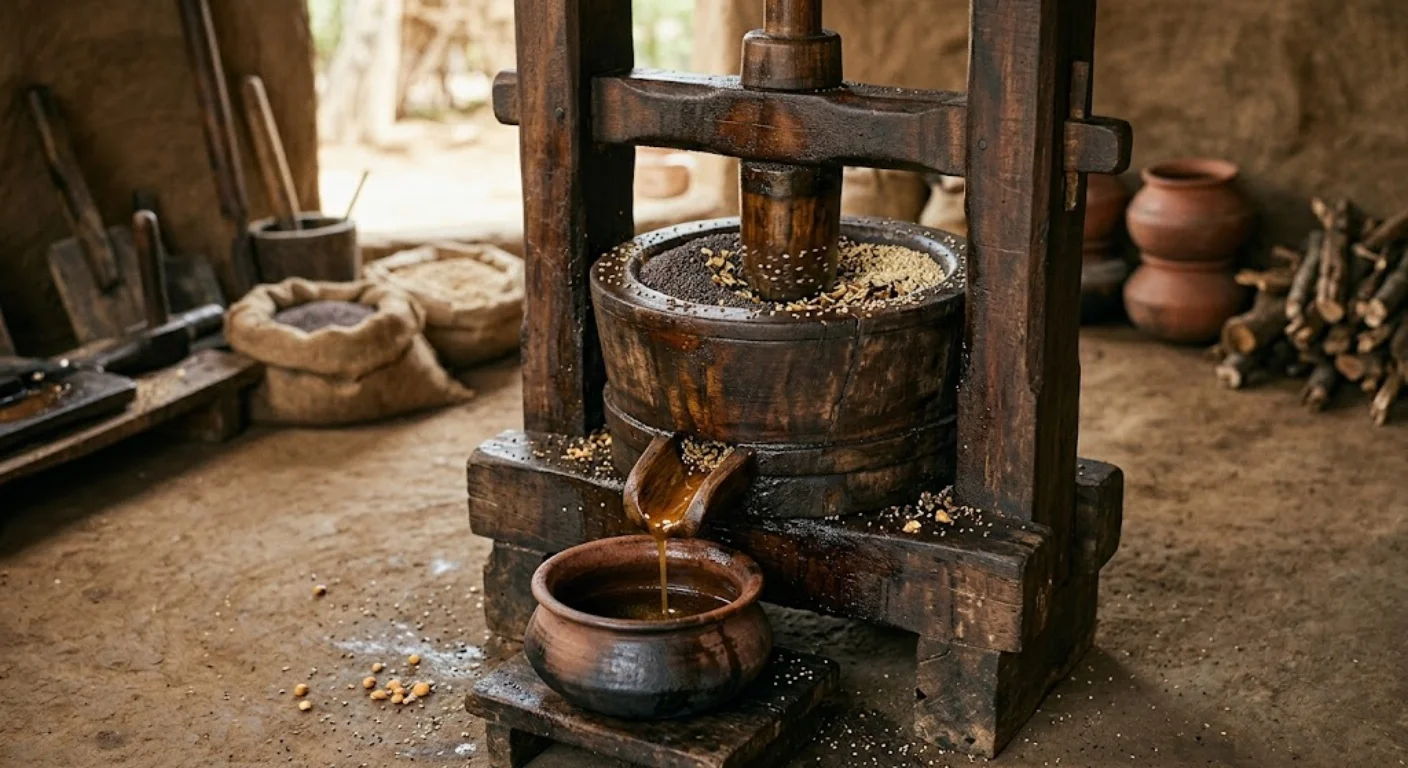
Cold pressed oil is extracted by mechanically pressing seeds or nuts under controlled physical pressure, no external heat, no chemical solvents. This is done using modern mechanical cold-press machinery designed to keep the extraction temperature consistently below 49°C (120°F), so the oil retains its natural nutrients, colour, and aroma without the inconsistency of older manual pressing methods.
The process is straightforward: clean the seeds, crush them, press them. The oil that comes out goes through minimal filtration and is bottled. No bleaching, no deodorizing, no industrial processing.
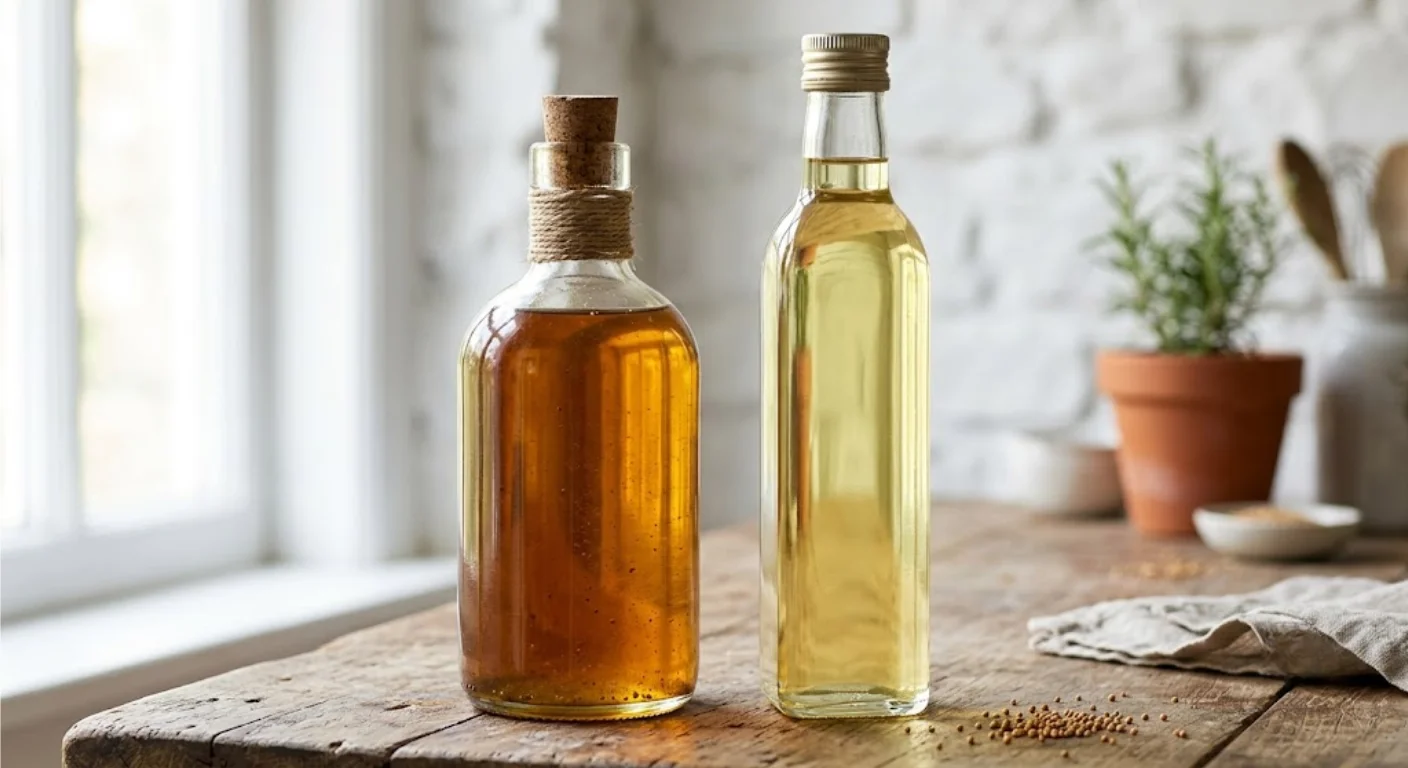
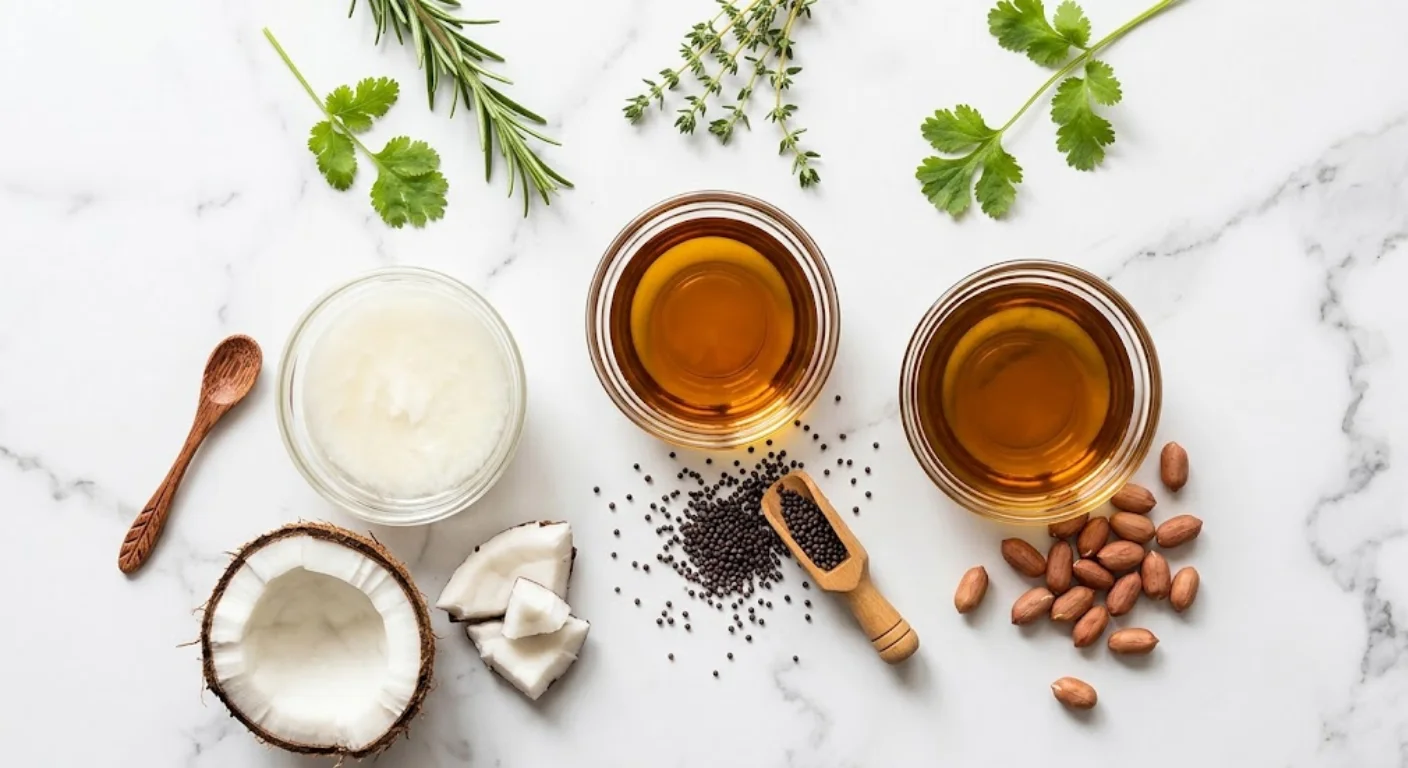
This is why cold pressed oils look the way they do, mustard oil has that deep golden-yellow colour, groundnut oil is amber, coconut oil is naturally white. That colour has not been removed because it was never processed away.
Is Crude Oil the Same as Cold Pressed Oil?
Crude oil is a general term for any oil that hasn’t gone through industrial refining, it can come from mechanical pressing, or other extraction methods. Cold pressed oil is a specific type of crude oil: one extracted purely through mechanical pressure, without heat or solvents. So while all cold pressed oil is crude (unrefined), not all crude oil is cold pressed. Refined oil, on the other hand, goes through the multi-step chemical process outlined below
What Does Cold Pressing Actually Preserve?
Because no heat or chemicals are involved, the oil retains its natural Vitamin E, polyphenols, omega-3 and omega-6 fatty acids, and antioxidants. Research published in peer-reviewed journals confirms that cold pressed oils contain significantly higher levels of bioactive compounds, including carotenoids, sterols, and phenolics, compared to refined versions of the same oil.
These compounds are exactly what make oil genuinely beneficial for heart health, reducing inflammation, and skin nourishment.
The flavour stays intact too. Cold pressed mustard oil has that sharp, pungent aroma. Groundnut oil has a mild nutty smell. That is not a flaw, that is the real thing.
How Is Refined Oil Made, And What Does It Lose?
Refined oil goes through a multi-step industrial process:
- Solvent extraction: Seeds are treated with hexane (a petroleum-derived chemical) to pull out maximum oil
- Degumming: Phospholipids and natural impurities are removed
- Bleaching: Colour compounds are stripped out
- Deodorizing: High-temperature steam removes the natural smell and flavour
Temperatures during this process can exceed 200°C. The yield is much higher, 60 to 70% of the seed becomes oil versus 30 to 40% with cold pressing, which is why refined oil is cheaper. But that efficiency comes at a cost: most of the nutrients are stripped away in the process.
Is Hexane in Refined Oil Actually Dangerous?
This is where it is important to be honest rather than alarmist. Yes, hexane is a petroleum-derived solvent and that sounds concerning. But Harvard School of Public Health, the European Food Safety Authority (EFSA), and Pakistan’s own food safety standards all confirm that hexane residue in the final refined oil is approximately 0.8 ppm, well below established safety thresholds.
The more practical concern is what the refining process itself does to the oil. The high-heat deodorizing step significantly reduces Vitamin E, omega-3 fatty acids, and natural antioxidants. Small amounts of trans fats can also form during this stage. That nutrient loss is the real issue for everyday health, not trace hexane levels.
Nutrition Comparison: What Is Actually Left in Each Oil?
| Nutrient / Factor | Cold Pressed Oil | Refined Oil |
| Vitamin E | High, naturally preserved | Reduced during processing |
| Omega-3 Fatty Acids | Present | Partially destroyed by heat |
| Antioxidants / Polyphenols | Rich | Largely removed |
| Trans Fats | None | Trace amounts possible |
| Natural Flavour | Full and characteristic | Neutral / odourless |
| Chemical Residues | None | Trace hexane (within safe limits) |
Cold pressed oil is clearly the winner on nutritional density. Refined oil wins on price, shelf life, and consistency. Both have real trade-offs, and understanding that is what helps you use each one correctly.
Smoke Point: Does It Really Matter for Cooking?
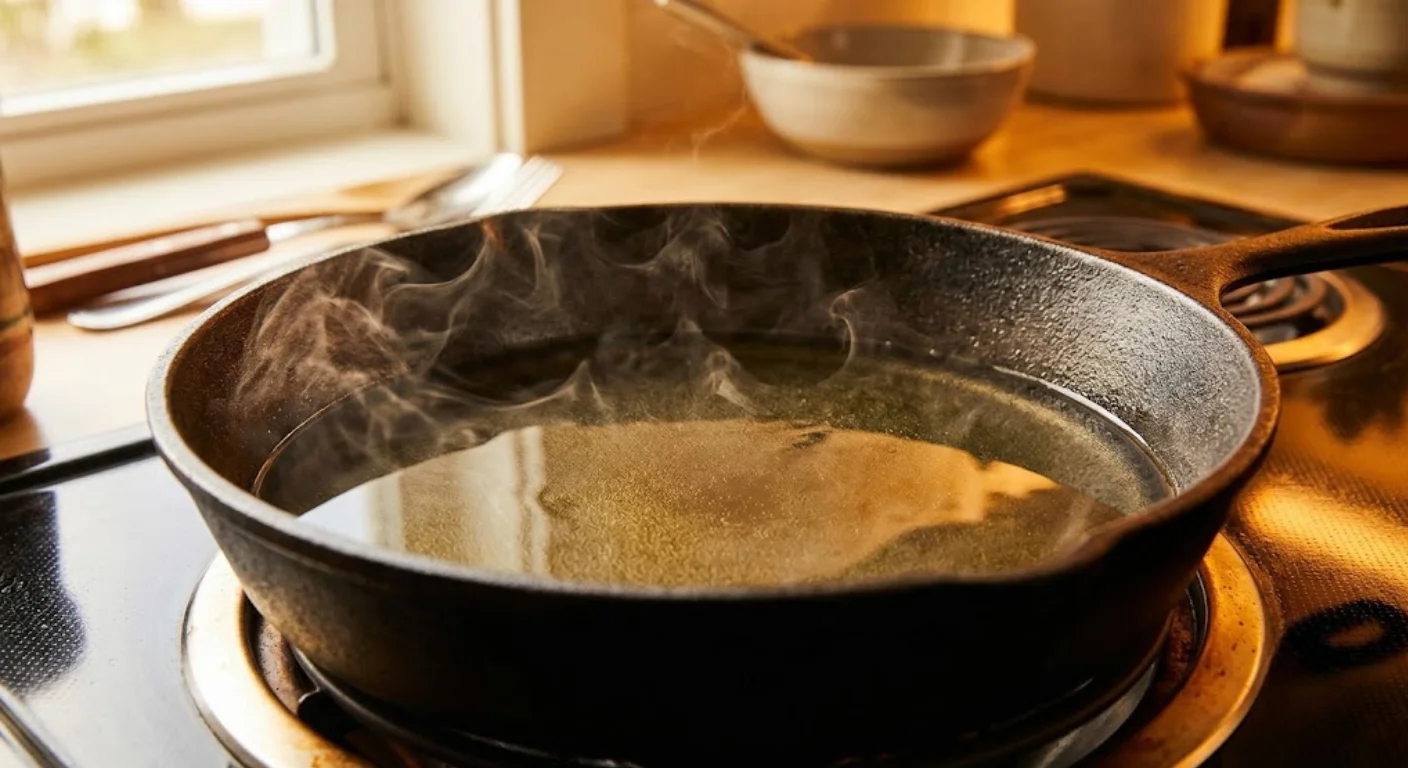
The smoke point is the temperature at which oil starts to visibly smoke. Beyond that point, the beneficial compounds break down and potentially harmful free radicals begin to form. This is why matching your oil to your cooking method actually matters.
| Oil | Cold Pressed Smoke Point | Refined Smoke Point |
| Mustard (Sarson) | ~160°C | ~250°C |
| Groundnut (Mungfali) | ~160°C | ~232°C |
| Coconut (Nariyal) | ~175°C | ~232°C |
| Sunflower | ~107°C | ~227°C |
Cold pressed oils generally have a lower smoke point, which means they are not ideal for high-temperature deep frying. However, for tadka, sautéing, low-to-medium heat cooking, dressings, and finishing dishes, they are the better choice. Cold pressed groundnut and mustard oil are particularly well-suited to everyday Pakistani cooking at moderate heat.
Which Oil Should You Use, And When?
The debate should not be “which one is better”, it should be “which one is right for what I am doing.” Here is a practical breakdown:
Use cold pressed oil when:
- Making salad dressings, raita, or dips
- Cooking tadka on low to medium flame
- You want authentic flavour, sarson ka tel in daal, coconut oil in South Asian desserts
- Using oil for skin or hair care
- You want to get maximum nutrition from your everyday meals
Use refined oil when:
- Deep frying at high temperatures
- Cooking in large quantities where neutral flavour is needed
- Budget is a concern and high-volume cooking is required
The most practical approach: keep both at home. Use cold pressed oil for daily cooking and finishing, and keep a refined high-smoke-point oil on hand if you need to deep fry.
Price, Shelf Life and Storage: The Practical Reality
Cold pressed oil costs more, and there is a genuine reason for that. Cold pressing yields only 30 to 40% oil per batch, while the refined process extracts 60 to 70%. Lower yield plus a more careful process equals a higher price. That premium is a reflection of quality, not a marketing trick.
Shelf life is also shorter for cold pressed oil. The same natural compounds that make it nutritious also make it more vulnerable to oxidation. Refined oil, having had those compounds removed, lasts longer on the shelf.
How to store cold pressed oil properly:
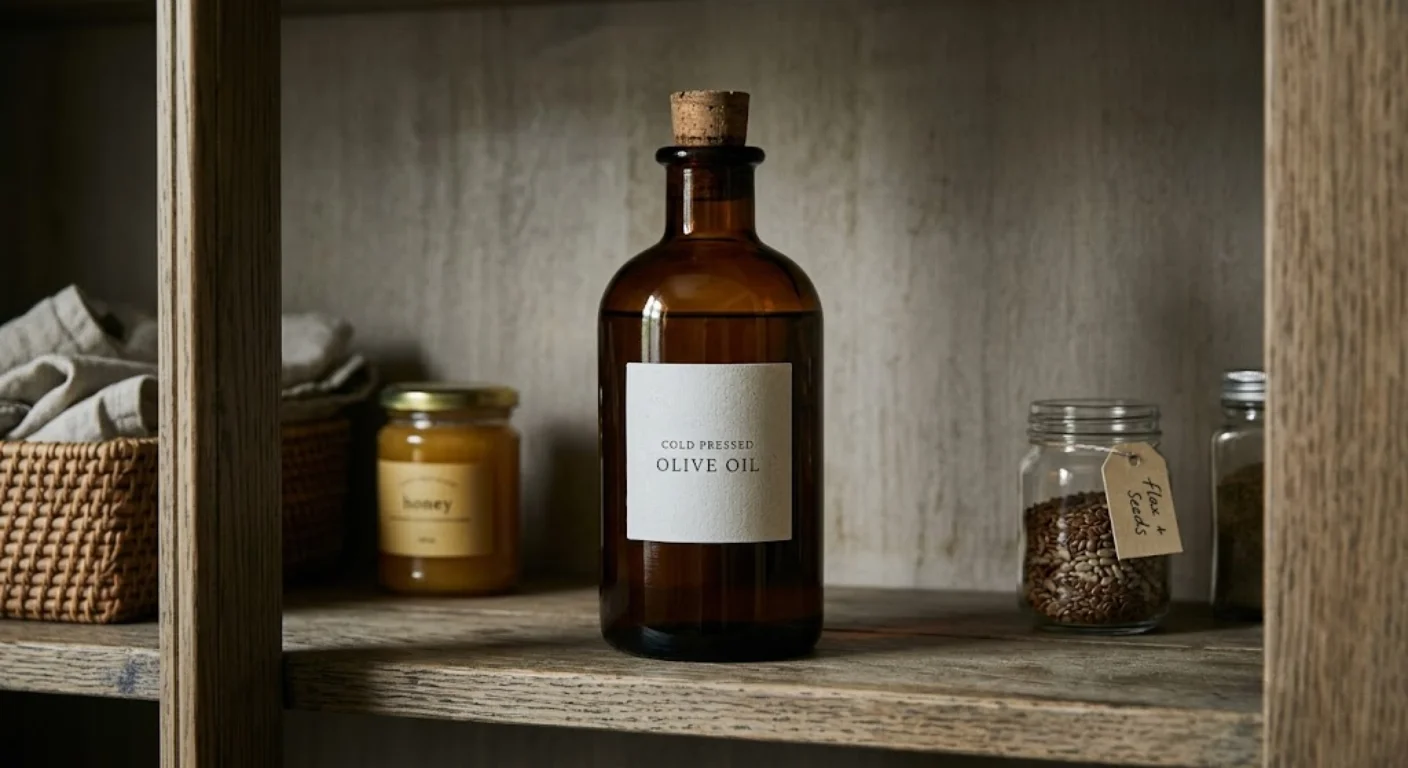
- Always use a dark glass bottle, avoid plastic
- Keep it in a cool, dark place away from sunlight and heat
- Seal it tightly after every use to limit air exposure
- Try to finish it within 3 to 6 months of opening to get the best nutrition and freshness
Common Myths About Cold Pressed and Refined Oils
Myth 1: “Refined oil is always unhealthy”
Not quite. Refined oil is not perfect due to nutrient loss during processing, but when used appropriately, right temperature, not repeatedly reheated, it is not harmful. The real problem is misuse, like reusing the same oil multiple times for frying.
Myth 2: “You can fry anything in cold pressed oil”
This is incorrect and worth knowing. Cold pressed sunflower oil has a smoke point of around 107°C, completely unsuitable for frying. Cold pressed groundnut or mustard oil are much better options if you need to fry at moderate temperatures.
Myth 3: “Cholesterol-free means it is a healthy oil”
This is one of the most common label traps in the market. All plant-based oils are naturally cholesterol-free, animal products contain cholesterol, not vegetable oils. So that label on refined oil tells you nothing about its health value.
Myth 4: “Cold pressed oil is always the safer choice at any temperature”
Cold pressed oil is better nutritionally, but if you heat it beyond its smoke point, you are creating harmful compounds regardless. The oil matters, but so does how you cook with it.