Not all cooking oils are created equal, and the difference often comes down to one thing: heat. Cold pressed oils skip the high-temperature, chemical-heavy refining process most bottled oils go through, which means they hold onto far more of their natural nutrition. Here’s what the science actually shows about why that matters.
What Are Cold Pressed Oils and How Are They Made?
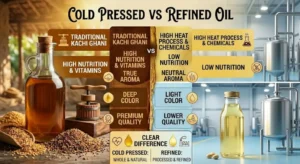
Cold pressed oil is extracted by mechanically crushing seeds, nuts, or fruit at low temperatures, typically below 50°C, with no chemical solvents involved. Refined oils, by contrast, often go through hexane extraction, bleaching, and deodorizing to maximize yield and shelf stability. Trace amounts of hexane residue have been detected in some refined oils even after evaporation, though regulatory limits like the US FDA’s 25 ppm cap keep this within accepted safety margins. Cold pressing sidesteps this issue entirely, since no solvent ever touches the oil.
Mechanical extraction also means the seed’s natural compounds, color, aroma, and flavor stay intact instead of being stripped and later synthetically replaced.
Why Are Cold Pressed Oils Considered Healthier Than Refined Oils?
Because they retain significantly more of their original nutrient content. Refining strips away heat-sensitive compounds like tocopherols (vitamin E), polyphenols, and phytosterols at nearly every processing stage. Cold pressed sunflower oil, for example, holds onto close to 90% of its natural vitamin E, while refined versions can lose 30-50% during processing. Extra virgin olive oil shows a similar gap: cold pressed cooking oils carry several times more polyphenol content than their refined counterparts, a difference the European Food Safety Authority has linked to protection against LDL cholesterol oxidation. For a fuller breakdown, see our detailed comparison of cold pressed oil vs refined oil.
1. Do Cold Pressed Oils Support Heart Health?
Yes, largely through their monounsaturated and polyunsaturated fat content. Oils like cold pressed mustard oil and groundnut oil are rich in these “good” fats, which help lower LDL cholesterol and reduce cardiovascular risk. Regular use of cold pressed oils in place of heavily processed alternatives has been associated with better lipid profiles over time. Olive oil in particular stands out here, given its well-documented polyphenol content and its role in Mediterranean diet research.
2. Can Cold Pressed Oils Reduce Inflammation?
They can help, thanks to compounds like oleocanthal and natural polyphenols that have measurable anti-inflammatory activity. Chronic low-grade inflammation is linked to conditions ranging from arthritis to heart disease, and the antioxidant load in cold pressed oils is one dietary lever that may help manage it. This isn’t a cure for inflammatory conditions, but it’s a meaningful piece of an anti-inflammatory diet.
3. Are Cold Pressed Oils Rich in Antioxidants?
Yes; vitamin E and polyphenols are the two heavy hitters. Because these compounds are heat-sensitive, cold pressing preserves them far better than any refining process can. Antioxidants neutralize free radicals in the body, reducing oxidative stress at the cellular level, which is one reason cold pressed oils are frequently recommended alongside other whole-food dietary changes.
4. Do They Boost Immunity?
The vitamin and antioxidant density in cold pressed oils, particularly in varieties like black seed oil and mustard oil, supports general immune function. These nutrients contribute to the body’s ability to manage everyday viral and bacterial exposure, though they should be viewed as a supportive dietary habit rather than a substitute for medical care.
5. Are They Good for Skin Health?
Very much so, when used topically. Cold pressed oils form a natural protective barrier on skin, helping shield against environmental stress and moisture loss. Their vitamin E content supports elasticity and can ease dryness and flaking. Because they contain no synthetic additives or solvent residues, they’re often used as a gentler alternative to chemically formulated moisturizers, including in baby skincare routines, our nourishing vitamin E serum is one example built entirely around this principle.
6. Do They Improve Hair Health?
Cold pressed oils retain their full fatty acid and nutrient profile, which makes a real difference for topical hair use. They nourish the scalp, reduce frizz, and add shine in a way refined oils, stripped of most of their bioactive compounds, simply can’t replicate. Onion seed oil is a popular pick for hair strength, and pairing it with a wooden comb or scalp massager helps work the oil in evenly. If your priority is hair or skin application rather than cooking, cold pressed is almost always the better pick.
7. Can Cold Pressed Oils Support Digestion?
Their fat composition is generally gentler on the digestive system compared to heavily processed oils. The monounsaturated fats found in oils like cold pressed groundnut oil are easier for the body to break down, which some people find reduces digestive discomfort compared to refined alternatives.
8. Do They Support Brain Function?
Oils rich in omega-3 fatty acids, such as flaxseed oil, play a role in cognitive health and brain function. B vitamins present in several cold pressed oils, including niacin and folate, also contribute to metabolic processes that support overall brain and nervous system health.
9. Are They Free From Harmful Chemical Residues?
Largely, yes. Since cold pressing never involves hexane or other solvents, there’s no risk of the trace chemical residues sometimes found in solvent-extracted refined oils. If a label doesn’t specify “cold-pressed” or “expeller-pressed,” it’s reasonable to assume some form of solvent extraction was used. This is one of the clearest, most measurable safety advantages cold pressed oils offer over their refined counterparts.
10. Do They Offer Better Flavor and Culinary Value?
Absolutely, this is often the first thing people notice. Because nothing is deodorized or bleached out, cold pressed oils keep their natural aroma, color, and distinct taste. Mustard oil’s sharp pungency and olive oil’s grassy notes are both a direct result of the compounds refining would otherwise remove. Chefs across Indian, Mediterranean, and Continental cuisines specifically choose cold pressed cooking oils for this reason.
Common Mistakes to Avoid When Using Cold Pressed Oils
Using them for deep frying: Most cold pressed oils have lower smoke points than refined oils, so high-heat frying can degrade their nutrients and produce smoke or off-flavors.
Improper storage: Exposure to heat, light, and air accelerates rancidity. Store in a cool, dark place, ideally in dark glass bottles.
Assuming any bottle is automatically high quality: Labeling standards vary, so checking for a genuine cold-pressed or expeller-pressed claim, not just “natural” or “pure,” matters.
Who Should Choose Cold Pressed Oils?
Cold pressed oils suit people prioritizing nutrient density in everyday cooking, anyone using oils topically for skin or hair care, and those actively trying to reduce chemical solvent exposure in their diet. If most of your cooking involves daily deep frying at very high temperatures, refined oils’ higher smoke point may still be more practical for that specific use case, so many households reasonably rotate between both types depending on the dish. Browse our full shop to compare options for cooking, skin, and hair care.
How to Choose and Store Cold Pressed Oil
Look for oils with a slight natural cloudiness or sediment, a distinct aroma, and a shorter shelf life. This is a manufacturing method, not a compromise. Keep bottles away from direct sunlight and heat sources, and try to use them within a few months of opening to preserve their nutrient profile.
Cold pressed oils aren’t a cure-all, and they work best as part of a broader balanced diet rather than a substitute for medical treatment. If you have specific health conditions like heart disease or high cholesterol, it’s worth discussing dietary oil choices with a doctor or nutritionist before making major changes. You can explore our complete range of cold pressed oils, premium seeds, and raw honey to find what fits your routine.